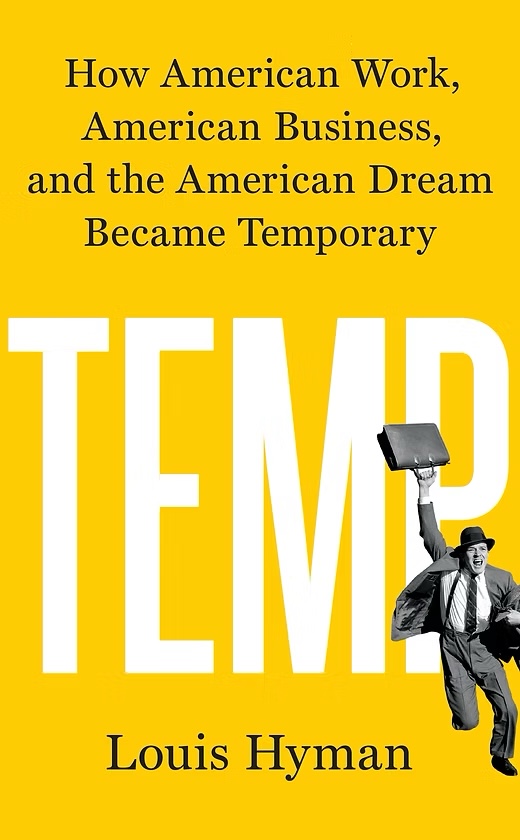
The untold history of the surprising origins of the gig economy: how deliberate decisions made by consultants and CEOs in the 1950s and 1960s upended the stability of the workplace and the lives of millions of working people in postwar America.
Every working person in the United States asks the same question: how secure is my job? For a generation, roughly from 1945 to 1970, business and government leaders embraced a vision of an American workforce rooted in stability. Over the last fifty years, job security cratered as the institutions that insulated people from volatility were swept aside.
Temp tracks the transformation from long-term investment in work and workers to short-term returns. It shows how deliberate choices preceded the digital revolution and changed what corporations, factories, and offices were expected to do.
Through the experiences of consultants and executives, temps and office workers, line workers and migrant laborers, the book explains one of the country's most immediate crises: gig platforms did not create insecurity on their own, they accelerated a much older transformation.